
Respiratory Syncytial Virus (RSV) is a very common respiratory infection in infants and young children. It often causes cold‑like symptoms, but in many babies, especially under 12 months of age, it can progress to bronchiolitis or pneumonia, sometimes requiring hospitalisation.
While vaccines and medicines are emerging, breastfeeding has been shown to play a protective role in reducing the severity and some outcomes of RSV infection in infants.
What Is RSV and How Does It Affect Infants?
RSV stands for Respiratory Syncytial Virus.
-
It spreads through respiratory droplets (like coughs and sneezes).
-
Most children have had RSV by age two.
-
In infants, especially young ones or those with weak immunity, RSV can lead to serious lower respiratory infections.
There is no standard curative treatment for RSV once it develops, making prevention and supportive care very important.
How Breastfeeding Helps Protect Against RSV
Breastfeeding provides passive immunity — meaning the mother transfers immune protection straight to the baby through breast milk. Human milk contains many immunological components, including:
-
Antibodies (IgA, IgG) that bind to pathogens and help block infection.
-
Lactoferrin and other antiviral, antibacterial proteins.
-
Bioactive sugars (HMOs) that boost infant immune development.
These elements help infants defend against infectious agents including RSV.
Evidence from Research
Several scientific reviews and studies suggest:
🔹 Lower Hospitalisation Rates:
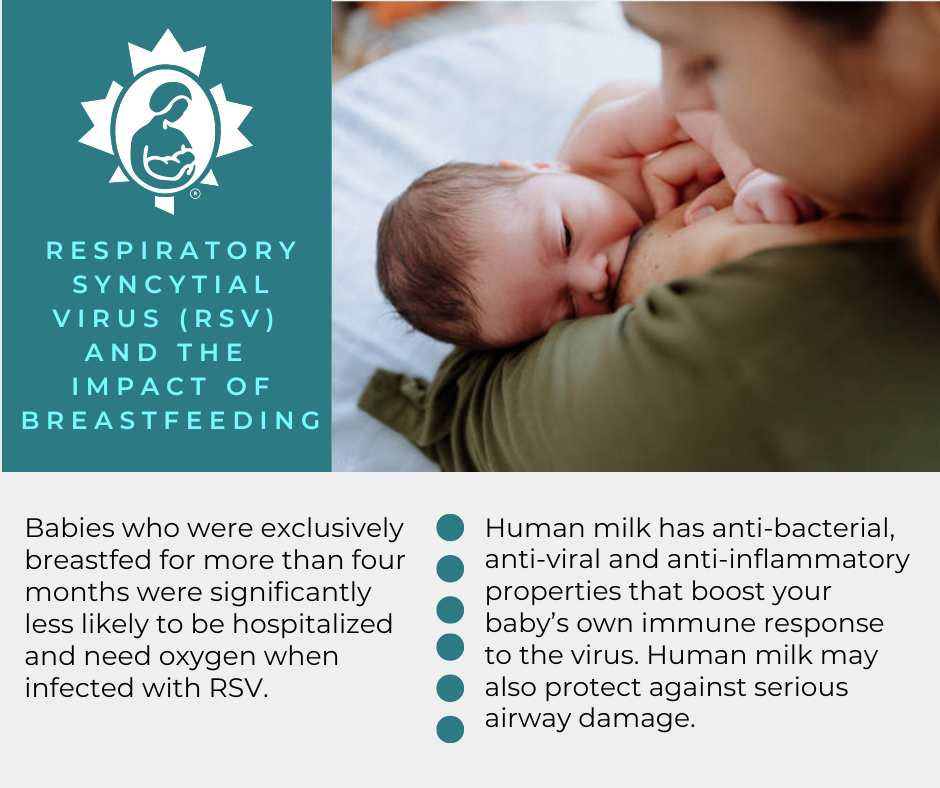
Babies who are exclusively breastfed for more than 4–6 months tend to be less likely to be hospitalised due to RSV than those who aren’t breastfed.
🔹 Reduced Severity of Illness:
Breastfeeding is associated with shorter disease duration, less need for supplemental oxygen, and reduced ICU admissions.
🔹 Support Across Settings:
Protection has been seen in low‑, middle‑ and high‑income countries, and benefits apply even when breastfeeding is partial rather than exclusive.
Breastfeeding Does Not Transmit RSV
RSV is not spread through breast milk itself. The virus causes respiratory infection and is transmitted by droplets — not by milk. Mothers with RSV should continue breastfeeding since the immune benefits outweigh any theoretical risks.
However, infected mothers should practise good hand hygiene to reduce spread via hands or contact.
Breastfeeding and Vaccination
Emerging RSV vaccines and maternal immunisation strategies are becoming available. Breastfeeding should be viewed as a complementary prevention strategy, not a replacement for vaccines or medical advice. The combination of immunisation and breastfeeding offers the best protection strategy for infants.
Practical Tips for Parents
✔ Exclusive breastfeeding for the first 6 months is ideal.
✔ Continue to breastfeed even during mild illness.
✔ Maintain good hygiene when in contact with infants.
✔ Discuss RSV vaccination options with your pediatrician.
✔ Seek medical help promptly if infant shows signs of severe RSV (fast breathing, difficulty feeding, persistent wheezing).






Leave a Reply to promo mix parlay Cancel reply